

Our News
Find out about our latest news here.
Latest News
- ▶ Buying Pressure Vessels from China: How to Read a Q345R and an SA-516 Gr.70 Mill Certificate
- ▶ Boyu Heavy Industry Adds Power Engineering Construction License to Its ASME-Certified Manufacturing Base
- ▶ Inside the Shop: What Those Chalk Marks on a Vessel Mean
- ▶ Gas Turbine HRSG Heating Surfaces: Design, Materials, Finned Tubes and Manufacturing
- ▶ Waste Heat Boilers Explained: Complete Units vs. Heating Surface Modules
- ▶ Sourcing Large Pressure Vessels from China: What Buyers Should Verify Before Awarding
Message
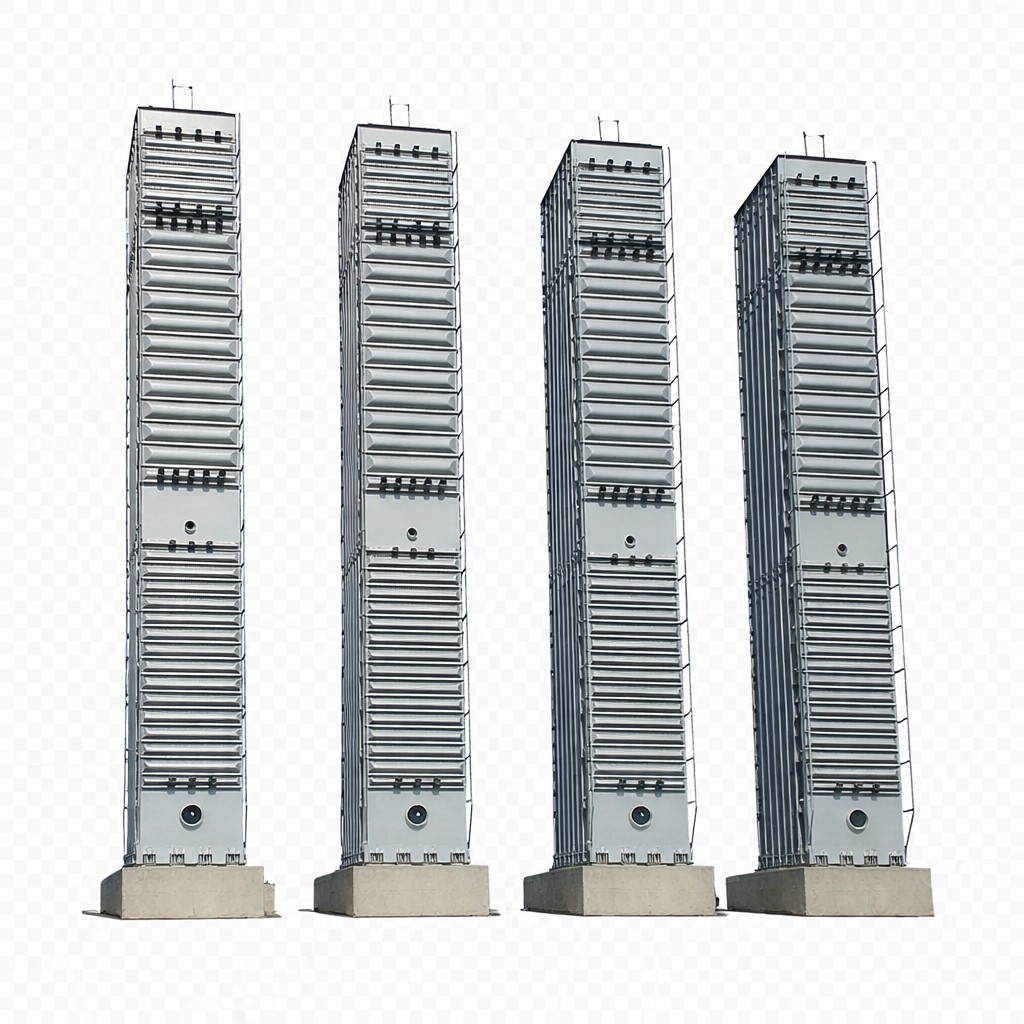
Process Flow and Key Equipment in Coke Oven Gas By-Product Recovery
1. Introduction: Why By-Product Recovery Matters
In modern coke-making industries, Coke Oven Gas (COG) is not only a fuel gas but also a valuable carrier of chemical components.
Raw COG contains various recoverable substances, including tar, ammonia, benzol, naphthalene, and hydrogen sulfide.
The primary objectives of a By-Product Plant (BPP) are:
Maximizing resource utilization
Reducing environmental emissions
Improving the overall economic efficiency of coke plants
As a result, the BPP system has evolved from an auxiliary unit into a core process section in integrated coke plants.
2. Overall Process: PGC + BPP
The treatment of coke oven gas generally consists of two main stages:
1️⃣ Primary Gas Cooling (PGC)
Main functions:
Cooling raw gas from approximately 700–800°C to 80–90°C
Condensing tar and moisture
Reducing the load on downstream systems
2️⃣ By-Product Recovery (BPP)
After primary cooling, the gas enters the BPP system for multi-stage separation and recovery:
Coke Oven Gas → Primary Gas Cooler (PGC) → Tar Removal → BPP System
                                                           ↓
        ├─ Ammonia Recovery
        ├─ Benzol Recovery
        ├─ Naphthalene Removal
        ├─ Desulfurization (H₂S Removal)
        └─ Further Gas Purification
3. Core Process Units in a BPP System
1️⃣ Tar Condensation and Separation
Function:
Condense tar vapors into liquid phase
Achieve gas-liquid separation
Key equipment:
Tar condenser coolers
Gravity separators / electrostatic tar precipitators
2️⃣ Ammonia Recovery System
Principle:
Absorption of ammonia using water or acidic solutions
Typical processes:
Saturator process
Ammonium sulfate production (fertilizer by-product)
3️⃣ Benzol Recovery System
Function:
Recover aromatic hydrocarbons (benzene, toluene, xylene)
Key steps:
Absorption (commonly using wash oil)
Desorption and distillation
4️⃣ Naphthalene Removal
Challenge:
Naphthalene tends to crystallize and block pipelines
Solutions:
Controlled cooling and dissolution
Anti-fouling system design
5️⃣ Desulfurization
Objective:
Remove hydrogen sulfide (H₂S) to meet environmental standards
Common methods:
Wet desulfurization (e.g., HPF process)
Dry desulfurization
4. Key Equipment: The Critical Role of Heat Exchangers
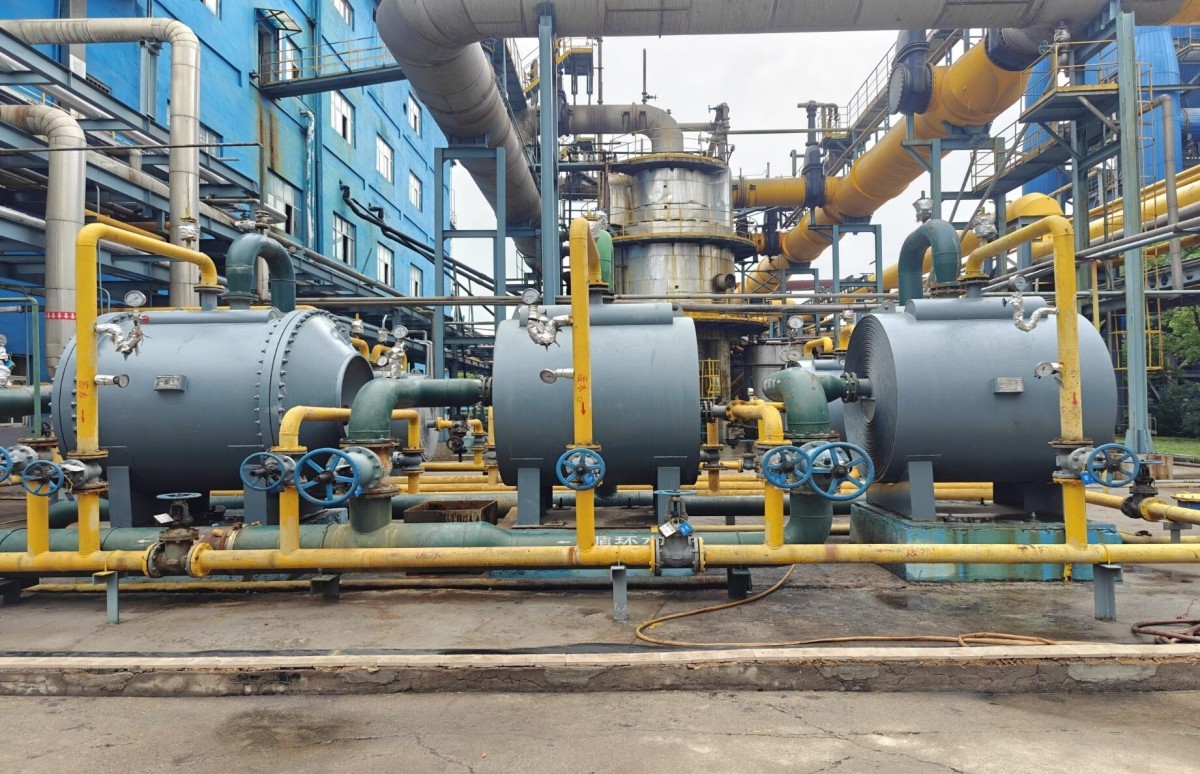
Heat exchange equipment plays a decisive role in efficiency and operational stability throughout the BPP system.
Main application areas:
Tar condenser coolers
Benzol condensers
Ammonia liquor coolers
Gas cooling units
Common heat exchanger types:
Key technical challenges:
Fouling and blockage
Corrosive media (NH₃, H₂S)
Fluctuating operating conditions
Maintenance complexity
Efficient design and proper equipment selection are therefore essential for long-term stable operation.
5. Development Trends in BPP Systems
With increasingly stringent environmental and efficiency requirements, BPP systems are evolving toward:
✔ Higher Efficiency
Improved heat recovery
Reduced energy consumption
✔ Lower Emissions
Deep desulfurization and ammonia removal
Compliance with ultra-low emission standards
✔ Digitalization
Integration of digital twin technologies
Predictive maintenance and real-time monitoring
✔ Modularization
Integrated equipment design
Easier installation and retrofit
6. Conclusion
The By-Product Plant (BPP) serves as a critical bridge between coke production and chemical recovery.
Through optimized process design and efficient heat exchange solutions, it is possible to maximize resource recovery while ensuring operational stability and environmental compliance.
In future coke plant upgrades, high-efficiency, reliable, and easy-to-maintain heat exchange equipment will play a key role in enhancing overall system performance.
PROFESSIONAL CONSULTATION
If you are interested in our products and want to know more details, please leave a message here, we will reply you as soon as we can.