

Our News
Find out about our latest news here.
Latest News
- ▶ Straw-Fired Biomass Boilers from a Manufacturer in China
- ▶ BOYU Adds a New High Frequency Welded Serrated Fin Tube Production Line
- ▶ Why Radiography Often Fails on Spiral Plate Heat Exchanger Shells — and How Phased Array UT Solves It
- ▶ EAC Certification for Chinese Pressure Vessels: What It Takes to Export Under TR CU 032/2013
- ▶ Spiral Plate vs Shell and Tube Heat Exchanger: Which One Fits Your Duty?
- ▶ CDQ Waste Heat Boilers: What Governs the Design, and What Actually Breaks
Message
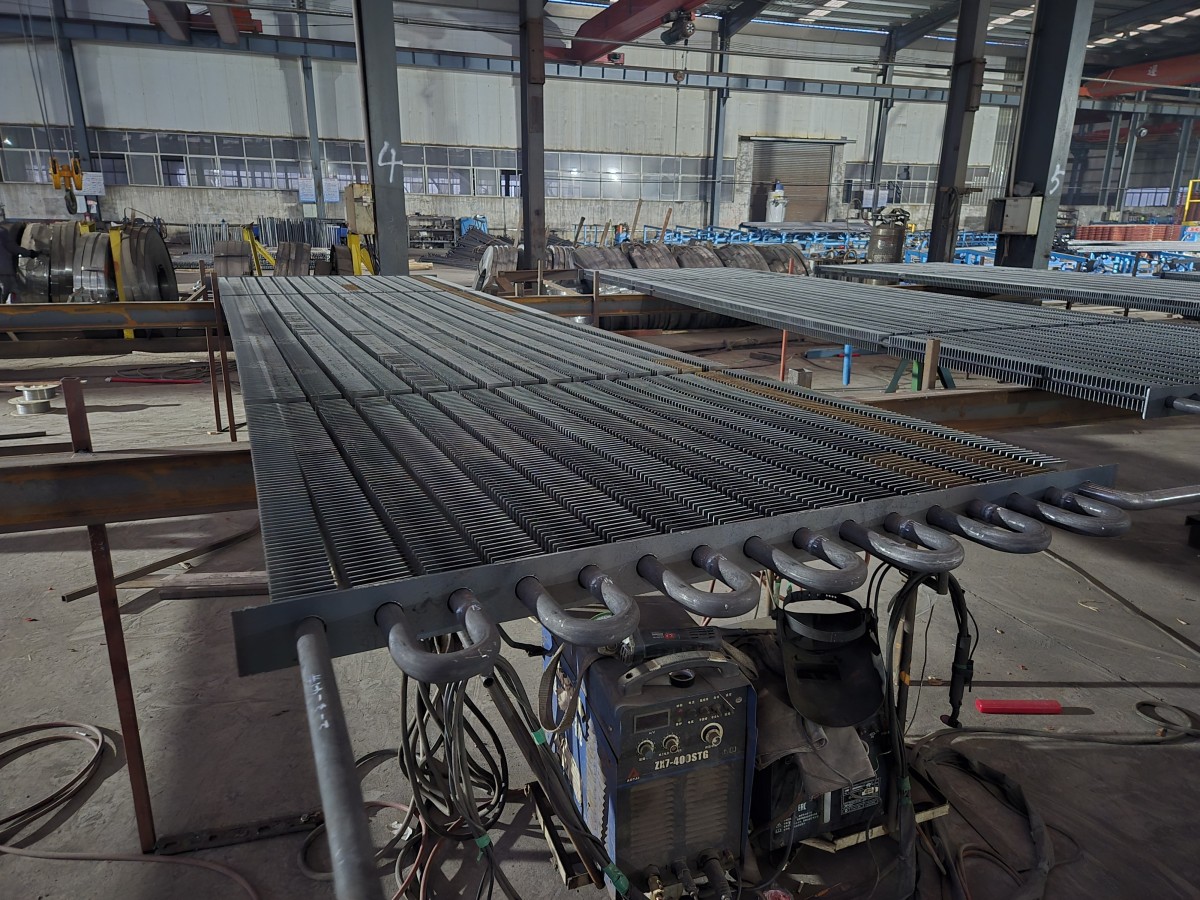
Boiler Economizer Tube Replacement: Causes, Inspection and Solutions
In coal-fired power plants, biomass boilers, and industrial steam boilers, the economizer plays a critical role in improving thermal efficiency. By recovering heat from flue gas and transferring it to feedwater, economizers help reduce fuel consumption and improve overall boiler performance.
However, due to harsh operating conditions such as high temperatures, fly ash erosion, and corrosive flue gases, economizer tubes are among the most failure-prone components in a boiler system.
For O&M companies and maintenance contractors, economizer tube replacement is one of the most common boiler overhaul tasks during shutdown maintenance.
This article explains the causes of economizer tube failure, inspection methods, replacement procedures, and preventive solutions.
What Causes Economizer Tube Failure
Economizer tubes operate in a challenging environment where they are constantly exposed to hot flue gases, ash particles, and chemical corrosion. Over time, several mechanisms can lead to tube damage.
1 Fly Ash Erosion
In coal-fired boilers, flue gas carries a large amount of ash particles. These particles travel at high velocity and continuously impact the tube surface.
Over time, this leads to:
Tube wall thinning
Grooving on tube surfaces
Eventually tube rupture or leakage
Erosion damage is particularly severe in areas where gas velocity is high or flow distribution is uneven.
2 Low Temperature Corrosion
Economizers often operate in temperature ranges where acid dew point corrosion can occur.
When flue gas contains sulfur compounds, condensation may produce sulfuric acid, which attacks the tube surface.
Typical symptoms include:
Pitting corrosion
Surface scaling
Rapid wall thickness loss
3 Thermal Stress and Fatigue
Frequent boiler start-ups and shutdowns create thermal expansion and contraction cycles.
These cycles can cause:
Weld cracking
Tube deformation
Stress fatigue
Older economizers are especially susceptible to this issue.
4 Soot Blower Damage
Improperly aligned or overly aggressive soot blowing can also lead to tube wear.
High-pressure steam jets used in soot blowers may erode tube surfaces if the system is not properly adjusted.
Signs an Economizer Tube Needs Replacement
Early detection of tube damage is critical to preventing unexpected boiler shutdowns.
Common warning signs include:
Boiler Efficiency Decline
A damaged economizer reduces heat transfer efficiency, causing:
Increased fuel consumption
Higher exhaust gas temperature
Flue Gas Temperature Increase
A rise in stack temperature often indicates reduced heat recovery due to damaged tubes.
Visible Tube Leakage
Tube leaks may produce:
Steam or water leakage in the economizer area
White vapor in the flue gas path
Tube Wall Thinning
Ultrasonic thickness testing may reveal that tube thickness has dropped below the allowable limit.
When these symptoms appear, tube replacement or economizer bundle replacement should be considered.
Economizer Tube Inspection Methods
Routine inspection is essential for identifying problems before they cause major failures.
Visual Inspection
During boiler shutdowns, engineers typically inspect for:
Tube deformation
Corrosion spots
Erosion grooves
This provides a quick assessment of tube condition.
Ultrasonic Thickness Testing (UT)
UT testing measures the remaining tube wall thickness.
If wall thickness drops below design limits, the tube must be replaced to ensure safe operation.
Eddy Current Testing
For more detailed analysis, eddy current inspection can detect:
Micro-cracks
Internal defects
Early-stage corrosion
This method is widely used during major overhauls.
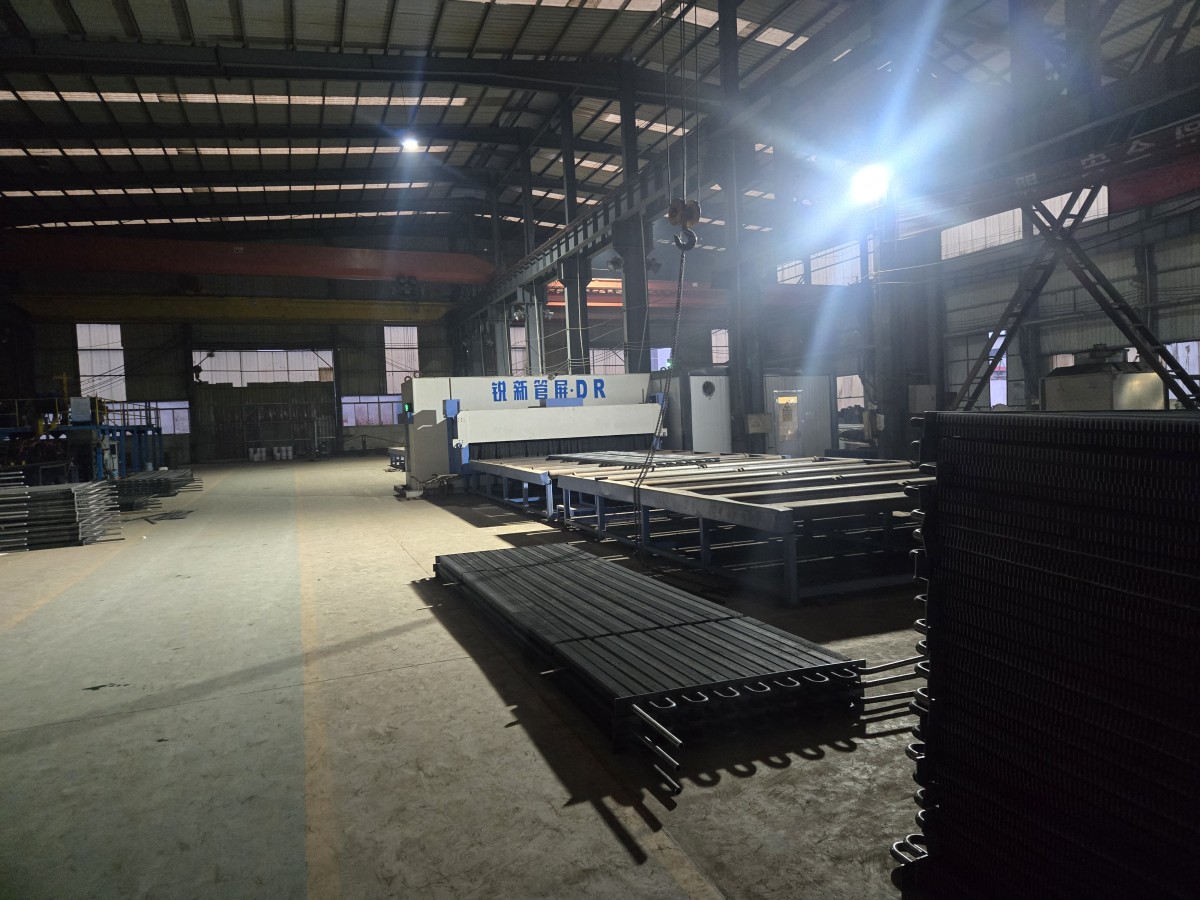
Economizer Tube Replacement Process
Replacing economizer tubes is a common task during boiler shutdown maintenance.
The typical replacement procedure includes the following steps.
Step 1 Boiler Shutdown and Cooling
The boiler must be completely shut down and cooled before maintenance begins.
Lockout and safety procedures must be strictly followed.
Step 2 Locate Damaged Tubes
Maintenance teams identify leaking or severely eroded tubes using:
Visual inspection
Pressure testing
NDT methods
Step 3 Remove Damaged Tubes
The defective tubes are removed by:
Cutting the damaged section
Removing worn tube segments
In some cases, replacing individual tubes may be possible.
However, in heavily damaged systems, replacing the entire economizer coil or tube bundle is often more efficient.
Step 4 Install New Tubes
New tubes are installed and welded according to boiler design standards.
Common tube configurations include:
Bare tubes
Serpentine tubes
Fin tubes
H-type fin tubes
Material selection is important to ensure resistance to erosion and corrosion.
Step 5 Welding and Pressure Testing
After installation, welds are inspected and the system undergoes pressure testing to verify integrity.
Only after passing all tests can the boiler be returned to service.
Economizer Tube Design Options
Modern economizers may use different tube structures depending on operating conditions.
Bare Tube Economizers
Traditional bare tube designs are simple and widely used in older boilers.
However, they are more susceptible to erosion in ash-heavy environments.
Serpentine Tube Economizers
Serpentine tube economizers improve heat transfer by increasing tube surface area and optimizing gas flow paths.
They are widely used in:
Power plant boilers
Waste heat recovery boilers
Industrial steam boilers
Fin Tube Economizers
Fin tubes increase heat transfer efficiency while reducing required installation space.
Two common designs include:
Helical fin tubes
H-type fin tubes
These designs are particularly suitable for high-efficiency boilers.
How to Prevent Future Economizer Failures
While tube replacement restores boiler operation, preventing future failures is equally important.
Effective preventive measures include:
Optimizing Gas Flow Distribution
Uniform gas flow reduces localized erosion and prolongs tube life.
Using Wear-Resistant Materials
Higher grade materials or thicker tube walls improve resistance to erosion and corrosion.
Installing Protective Shields
In high-erosion zones, protective shields or wear plates can significantly extend tube life.
Regular Inspection and Maintenance
Scheduled inspections help detect early-stage damage before it leads to serious failures.
Conclusion
Economizer tube failure is a common issue in industrial boilers, especially in coal-fired and biomass systems. Understanding the causes, inspection methods, and replacement procedures is essential for reliable boiler operation.
For many plants, replacing damaged tubes or installing new economizer tube bundles during scheduled maintenance can significantly improve efficiency and extend equipment life.
Modern designs such as serpentine tubes and fin tube economizers provide enhanced heat transfer performance and greater durability in harsh operating environments.
PROFESSIONAL CONSULTATION
If you are interested in our products and want to know more details, please leave a message here, we will reply you as soon as we can.